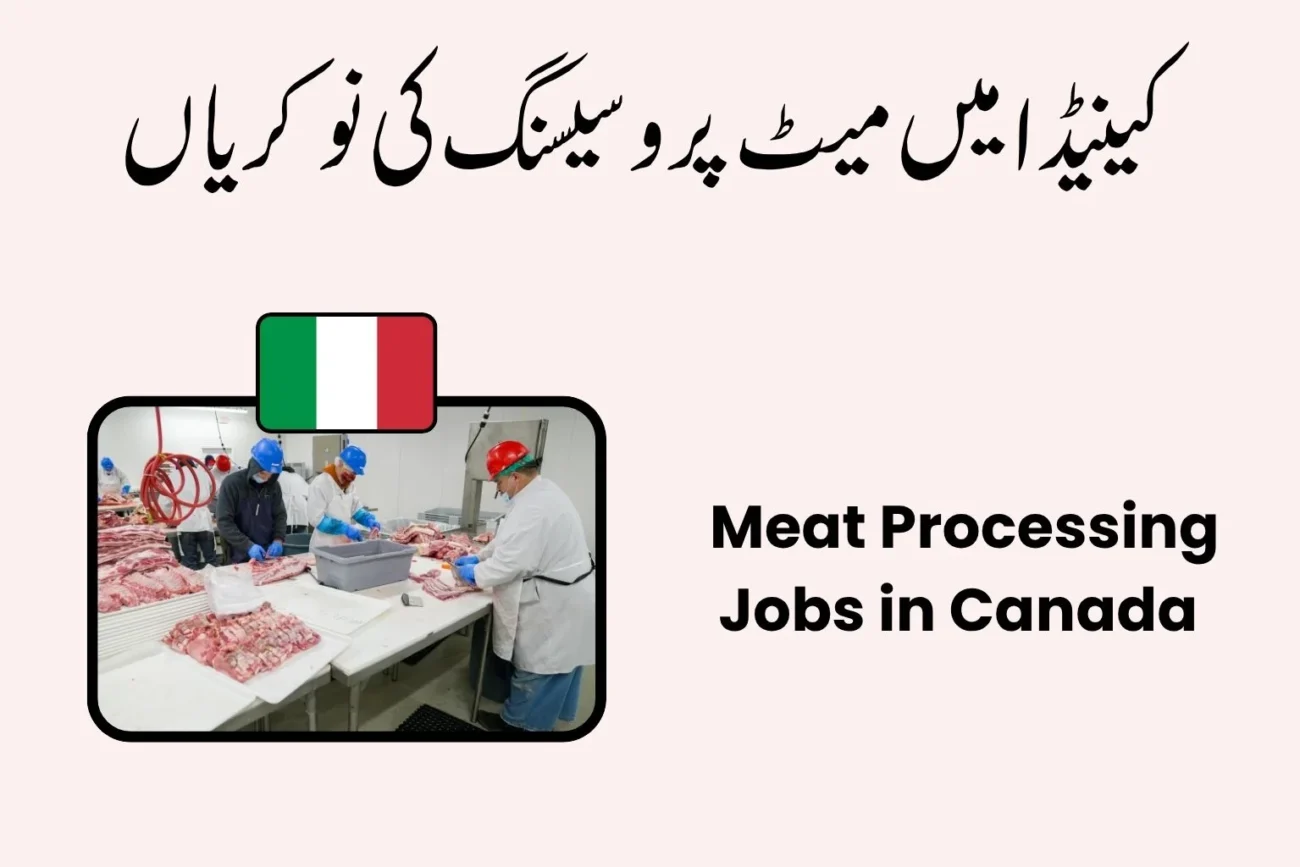
Canada’s meat processing industry is one of the largest employers in the country’s food manufacturing sector. With ongoing labor shortages and growing demand for processed meat products, employers across Canada continue to recruit local and foreign workers for meat processing plants, slaughterhouses, packaging facilities, and food manufacturing companies.
For international job seekers, meat processing jobs can provide stable employment, competitive wages, overtime opportunities, and potential pathways to work permits. Many employers regularly hire workers through Canada’s Temporary Foreign Worker Program when local labor is unavailable.
Why Choose Meat Processing Jobs in Canada?
The meat processing industry offers numerous benefits for workers seeking employment in Canada.
Key Benefits
- Competitive hourly wages
- Full-time employment opportunities
- Overtime pay
- On-the-job training
- Potential visa sponsorship opportunities
- Stable year-round work
- Career advancement opportunities
- Employee benefits in many companies
Canada’s meat processing sector continues to advertise positions ranging from entry-level packers to experienced industrial meat cutters and supervisors.
What Does a Meat Processing Worker Do?
Meat processing workers help prepare meat products for distribution, retail sale, and export.
Typical responsibilities include:
- Cutting and trimming meat
- Packaging meat products
- Operating processing equipment
- Inspecting products for quality
- Labeling packages
- Cleaning workstations
- Maintaining food safety standards
- Preparing products for shipping
- Following workplace health regulations
Types of Meat Processing Jobs in Canada
1. Meat Processing Labourer
Entry-level position involving packaging, sorting, and production support.
Salary
CAD $18–$24 per hour
2. Meat Packager
Responsibilities include:
- Packing meat products
- Labeling containers
- Preparing orders
Salary
CAD $19–$21 per hour based on recent job postings.
3. Industrial Meat Cutter
Cuts and prepares meat products for processing facilities.
Salary
CAD $20–$30 per hour
Recent Canadian job advertisements show industrial meat cutter positions paying up to CAD $27 per hour.
4. Poultry Processing Worker
Duties include:
- Processing poultry products
- Packaging
- Quality inspection
Salary
CAD $18–$26 per hour
5. Meat Plant Machine Operator
Operates automated production and packaging equipment.
Salary
CAD $22–$35 per hour
6. Quality Control Technician
Ensures food safety and product quality standards.
Salary
CAD $24–$40 per hour
7. Production Supervisor
Oversees production teams and plant operations.
Salary
CAD $55,000–$90,000 annually
Meat Processing Salaries in Canada 2026
| Position | Average Pay |
|---|---|
| Meat Processing Labourer | CAD $18–$24/hour |
| Meat Packager | CAD $19–$21/hour |
| Industrial Meat Cutter | CAD $20–$30/hour |
| Poultry Worker | CAD $18–$26/hour |
| Machine Operator | CAD $22–$35/hour |
| Supervisor | CAD $55,000–$90,000/year |
According to Canada’s Job Bank, meat cutters in meat packing plants earn a national median wage of approximately CAD $23 per hour, with wages reaching over CAD $26 per hour in some regions.
Best Provinces for Meat Processing Jobs
Alberta
Strong demand due to large beef processing facilities.
Popular cities:
- Calgary
- Edmonton
- Red Deer
British Columbia
Opportunities in:
- Vancouver
- Surrey
- Abbotsford
Ontario
Major food manufacturing hub with positions in:
- Toronto
- Brampton
- Mississauga
- Hamilton
Manitoba
Growing demand for industrial meat cutters and food processing workers. Recent Job Bank listings show active hiring in Manitoba meat processing facilities.
Saskatchewan
Strong agricultural and livestock industries create ongoing demand.
Eligibility Requirements
Most entry-level positions require:
Education
- High school diploma preferred
- Many employers accept applicants without formal qualifications
Age
- Generally 18 years or older
Language Skills
- Basic English or French
- Ability to understand safety instructions
Physical Fitness
Workers should be able to:
- Lift heavy products
- Stand for long periods
- Work in refrigerated environments
- Perform repetitive tasks
Skills Employers Look For
Successful candidates often possess:
- Attention to detail
- Physical stamina
- Teamwork skills
- Reliability
- Time management
- Safety awareness
- Basic machinery knowledge
- Ability to follow food safety procedures
Documents Required
Foreign applicants generally need:
- Valid passport
- Updated resume
- Educational certificates
- Work experience certificates
- Police clearance certificate
- Medical examination documents
- Passport-size photographs
Visa Sponsorship Opportunities
Foreign workers may be hired through:
Temporary Foreign Worker Program (TFWP)
Canadian employers can recruit foreign workers when local workers are unavailable.
Employer-Specific Work Permits
Workers receive authorization tied to a specific employer.
Provincial Nominee Programs (PNPs)
Some provinces offer immigration pathways for workers in food processing occupations.
Job Bank continues to show active recruitment in meat processing and industrial meat cutting occupations across Canada.
How to Find Meat Processing Jobs in Canada
Government Job Portal
Canada Job Bank
Popular Job Websites
Major Meat Processing Employers
Some of Canada’s largest meat processing companies include:
Step-by-Step Application Process
Step 1: Prepare Your Resume
Include:
- Personal information
- Work experience
- Skills
- Education
- References
Step 2: Search for Vacancies
Use keywords such as:
- Meat Processing Worker
- Meat Packager
- Industrial Meat Cutter
- Poultry Processing Worker
- Food Processing Labourer
Step 3: Apply Online
Submit applications through:
- Employer websites
- Job Bank
- Recruitment agencies
- Online job portals
Step 4: Attend Interviews
Employers may ask about:
- Previous experience
- Physical fitness
- Availability
- Language skills
Step 5: Receive Job Offer
Review:
- Salary
- Working hours
- Benefits
- Accommodation arrangements
Step 6: Apply for Work Permit
If sponsorship is available, proceed with the work permit application process.
Career Growth Opportunities
Many workers begin as production labourers and progress into:
- Senior Production Worker
- Lead Hand
- Machine Operator
- Quality Control Inspector
- Production Coordinator
- Plant Supervisor
- Operations Manager
Frequently Asked Questions (FAQs)
1. Can foreigners apply for meat processing jobs in Canada?
Yes. Many Canadian employers recruit foreign workers through approved work permit programs when labor shortages exist.
2. What is the average salary for meat processing workers?
Most workers earn between CAD $18 and $30 per hour depending on their role, location, and experience.
3. Do I need experience?
Not always. Many entry-level positions provide training for new employees.
4. Is visa sponsorship available?
Some employers support foreign workers through LMIA-based recruitment and employer-specific work permits.
5. Which province has the highest wages?
British Columbia and Alberta often offer some of the highest wages for meat packing plant workers.
6. Is the work physically demanding?
Yes. Meat processing jobs often involve standing for long periods, lifting products, and working in refrigerated environments. Community discussions and employer postings consistently describe these positions as physically demanding but stable.
Conclusion
Meat Processing Jobs in Canada 2026 offer excellent opportunities for both local and foreign workers seeking stable employment in a growing industry. With competitive wages, potential visa sponsorship, overtime opportunities, and career advancement prospects, the sector remains an attractive option for job seekers worldwide. Whether you are interested in meat packaging, industrial meat cutting, poultry processing, or plant operations, Canada continues to offer numerous opportunities across Alberta, Ontario, British Columbia, Manitoba, and Saskatchewan. Start preparing your resume, explore legitimate job portals, and apply early to maximize your chances of securing a position in Canada’s thriving meat processing industry.
