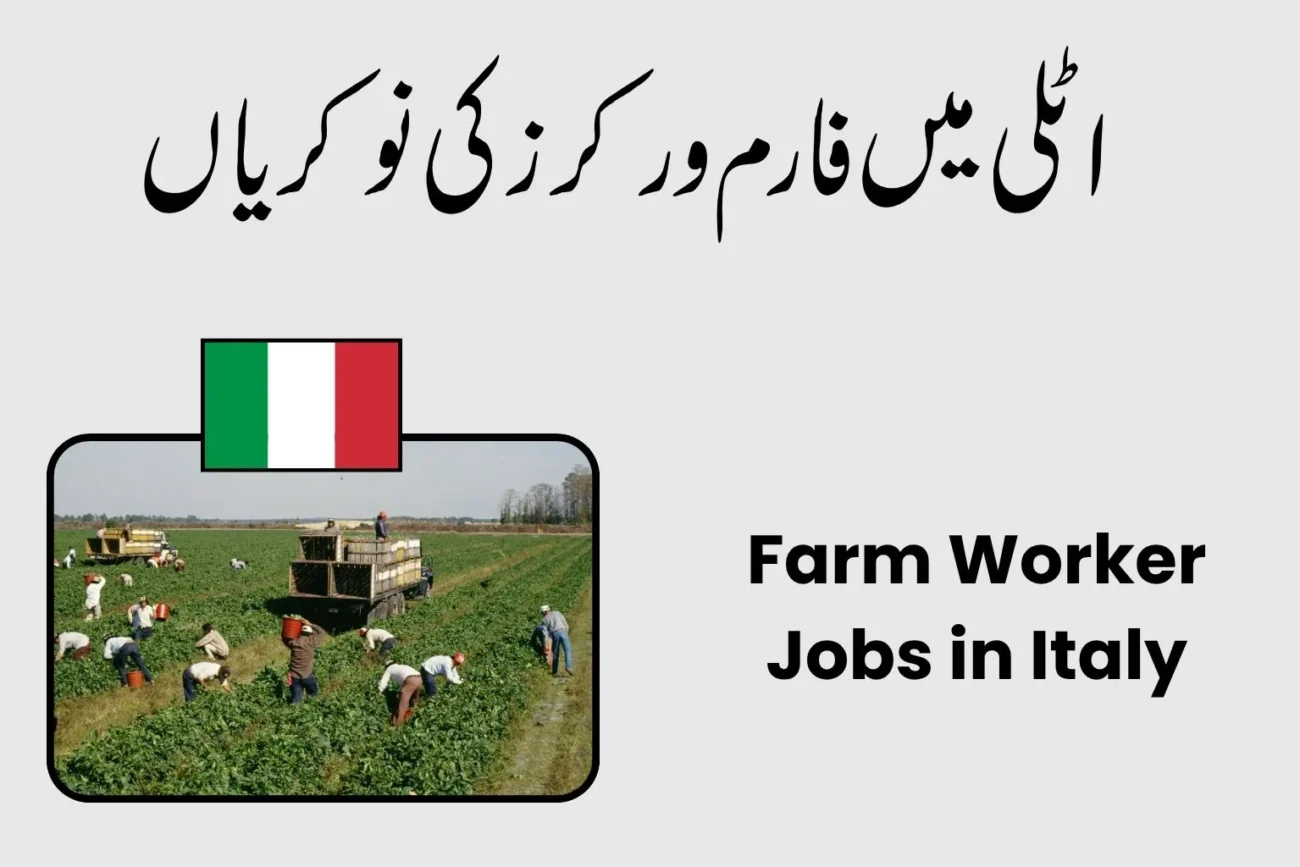
Italy is one of Europe’s major agricultural countries, producing grapes, olives, vegetables, fruit, cereals, dairy products and other food products for both domestic and international markets. Because agricultural work is often seasonal and labor-intensive, farms, vineyards, orchards, greenhouses and agricultural companies regularly need workers for planting, harvesting, sorting, packing, livestock care and general farm operations.
For job seekers from outside the European Union, Farm Worker Jobs in Italy can be an attractive route into the Italian labor market, particularly for people who already have agricultural experience. Italy also operates a legal seasonal-worker system for non-EU citizens through its annual Decreto Flussi (Flow Decree) quota system. For 2026, Italy authorized 88,000 seasonal work entries overall, including agricultural seasonal workers, while 40,075 agricultural seasonal-work quotas were initially distributed in January and an additional 5,389 agricultural quotas were allocated in April 2026.
The salary figure of €1,600–€2,200+ per month should be treated as a potential gross or contract-dependent range rather than a guaranteed take-home salary. Actual earnings depend on the collective agreement, region, job type, working hours, overtime, experience, accommodation and whether the position is seasonal or longer-term.
Why Consider Farm Worker Jobs in Italy?
Agricultural employment can be a practical option for candidates who do not have a university degree or highly specialized professional qualifications.
Main advantages include:
- Opportunities for workers with practical agricultural experience
- Seasonal employment available in several regions
- Jobs in vineyards, fruit farms, vegetable farms and greenhouses
- Possibilities for overtime during busy harvest periods
- Some employers may provide accommodation or meals
- Experience can help workers qualify for more skilled agricultural positions
- Legal seasonal employment can provide a route to work in Italy for eligible non-EU nationals
- Opportunities exist for both EU/EEA citizens and workers from eligible non-EU countries
Italy’s EURES employment network recommends using public employment services, private employment agencies, company websites and online job portals when searching for vacancies.
Farm Worker Salary in Italy
There is no single nationwide salary for a farm worker. Agricultural wages can vary considerably according to the collective labor agreement, region, job responsibilities, contract and number of hours worked.
For SEO and job-search purposes, candidates may see advertisements or employment packages around the following levels:
| Farm Job Position | Estimated Monthly Salary |
|---|---|
| General Farm Worker | €1,600–€2,000 |
| Fruit Picker | €1,500–€1,900 |
| Vegetable Farm Worker | €1,500–€2,000 |
| Vineyard Worker | €1,600–€2,100 |
| Greenhouse Worker | €1,600–€2,100 |
| Tractor Operator | €1,800–€2,400+ |
| Agricultural Machine Operator | €1,900–€2,500+ |
| Livestock Farm Worker | €1,600–€2,200 |
| Dairy Farm Worker | €1,700–€2,300+ |
| Farm Supervisor | €2,000–€2,700+ |
| Experienced Agricultural Worker | €1,800–€2,400+ |
Important: These figures are indicative ranges for job-market content, not official minimum salaries or guarantees. Always check the actual employment contract, applicable collective agreement, working hours, overtime rate, accommodation deductions and tax/social-security arrangements before accepting an offer.
Types of Farm Worker Jobs Available in Italy
1. Fruit Picker
Fruit farms need workers during harvesting seasons. Common tasks include picking, sorting, carrying crates and preparing produce for transport.
Typical crops include:
- Apples
- Pears
- Peaches
- Oranges
- Lemons
- Grapes
- Cherries
- Strawberries
Physical fitness and the ability to work outdoors are important.
2. Vineyard Worker
Italy is famous for its wine-producing regions, creating seasonal demand for vineyard labor.
Vineyard workers may perform:
- Grape harvesting
- Pruning
- Plant maintenance
- Weeding
- Tying vines
- Loading harvested grapes
- General vineyard cleaning
Workers with previous vineyard experience can sometimes qualify for better-paid positions.
3. Vegetable Farm Worker
Vegetable farms employ workers for planting, irrigation, harvesting, sorting and packaging.
Depending on the farm, workers may handle tomatoes, onions, potatoes, peppers, lettuce, zucchini and other crops.
4. Greenhouse Worker
Greenhouse agriculture provides employment throughout more of the year because crops are protected from weather conditions.
Typical duties include:
- Planting seedlings
- Watering
- Fertilizing
- Removing weeds
- Harvesting
- Checking plant health
- Packing produce
Greenhouse experience can be useful for workers seeking more stable agricultural employment.
5. Tractor Operator
Tractor operators generally earn more than entry-level agricultural laborers because they operate machinery.
Typical responsibilities include:
- Plowing fields
- Cultivating soil
- Transporting materials
- Operating agricultural attachments
- Preparing land for planting
- Maintaining basic machinery
Previous tractor experience and appropriate authorization or licensing may be required.
6. Livestock Farm Worker
Livestock workers care for animals and maintain farm facilities.
Jobs can involve:
- Feeding animals
- Cleaning animal areas
- Monitoring livestock
- Moving animals
- Maintaining equipment
- Supporting veterinary procedures
Experience with cattle, sheep, goats or pigs can be valuable.
7. Dairy Farm Worker
Dairy farms require workers for feeding, cleaning, milking operations and general animal care.
Candidates with dairy-farming experience may have an advantage over applicants with no agricultural background.
8. Farm Supervisor
Experienced workers can progress into supervisory roles. A supervisor may organize workers, assign daily tasks, monitor productivity and communicate with farm management.
Italian language skills become increasingly important for supervisory positions.
Where Are Farm Jobs Available in Italy?
Agricultural employment is spread across many parts of Italy, but opportunities vary according to the crop and season.
Potential agricultural regions include:
- Puglia – olives, grapes, vegetables and fruit
- Sicily – citrus fruits, grapes, olives and vegetables
- Emilia-Romagna – fruit, vegetables and other agricultural production
- Veneto – vineyards, fruit and agricultural production
- Tuscany – vineyards and olive production
- Piedmont – vineyards, fruit and agriculture
- Trentino-Alto Adige – apples, grapes and fruit
- Campania – fruit, vegetables and other crops
- Lazio – vegetables, fruit and livestock
- Lombardy – livestock, dairy and crop production
The best location depends on the type of agricultural work you want. For example, vineyard jobs are particularly relevant in wine-producing areas, while fruit-picking vacancies tend to follow harvesting seasons.
Farm Worker Jobs in Italy for Foreign Workers
Non-EU workers cannot simply travel to Italy on a tourist visa and start working on a farm.
Italy has a specific legal procedure for seasonal employment. Under the Italian system, an employer intending to hire a non-EU seasonal agricultural worker normally submits the required work authorization request to the Sportello Unico per l’Immigrazione. The worker must fall within the available annual quota.
For 2026, the agricultural seasonal-work application process under the Flow Decree began with the agricultural click day on 12 January 2026, while applications can continue through 31 December 2026 where quota availability permits.
Italy Seasonal Work Visa Requirements
If you are a non-EU citizen and receive a genuine seasonal agricultural job offer, the employer generally has an important role in the immigration process.
The basic process is:
- Find an eligible Italian employer.
- Receive a genuine employment offer.
- The employer submits the required work authorization application.
- The application must fall within the applicable annual quota.
- The Italian immigration authorities process the application.
- After authorization, the worker applies for the appropriate seasonal work visa through the Italian diplomatic authority responsible for their place of residence.
- After entering Italy, the worker completes the required residence and employment formalities.
The European Commission explains that non-EU seasonal workers need a work authorization and seasonal work visa before entering Italy. The authorization is subject to Italy’s annual quota system.
According to Cliclavoro, seasonal agricultural employment can be authorized for a maximum of nine months within a 12-month period, subject to the applicable rules and contract.
Eligibility Criteria for Farm Worker Jobs
Requirements vary from employer to employer, but common criteria include:
Basic requirements
- Valid passport
- Legal eligibility to work in Italy
- Physical ability to perform agricultural tasks
- Willingness to work outdoors
- Ability to follow instructions
- Reliability and punctuality
- Ability to work flexible hours during harvest periods
Experience
Previous experience can be useful but is not always mandatory for entry-level jobs.
Experience in the following areas can strengthen an application:
- Farming
- Crop harvesting
- Gardening
- Vineyard work
- Greenhouse operations
- Livestock care
- Tractor operation
- Agricultural machinery
- Fruit and vegetable packing
Skills Employers Look For
A successful farm worker should be prepared for physically demanding work.
Important skills include:
- Physical stamina
- Manual dexterity
- Teamwork
- Time management
- Basic agricultural knowledge
- Ability to work in hot or cold weather
- Safe handling of tools
- Basic machinery knowledge
- Attention to quality
- Ability to follow health and safety instructions
Learning basic Italian can also make daily communication much easier. Workers who want to move into supervisory or machinery positions should consider developing stronger Italian-language skills.
Documents You May Need
The exact documentation depends on your nationality, employer and immigration procedure. Common documents can include:
- Valid passport
- Recent photographs where required
- CV
- Employment offer or contract
- Work authorization/nulla osta where applicable
- Seasonal work visa application
- Proof of accommodation or other supporting documents where required
- Educational or training certificates, if relevant
- Previous employment references
- Medical or other documents if specifically requested
- Visa application forms and supporting documents
Do not submit unnecessary documents unless the employer, consulate or immigration authority requests them.
How to Apply for Farm Worker Jobs in Italy
Step 1: Prepare Your CV
Create a simple, professional CV highlighting agricultural experience.
Mention:
- Farm experience
- Crops you have worked with
- Machinery experience
- Livestock experience
- Harvesting experience
- Languages
- Driving or tractor qualifications
- Previous international work experience
Europass is also available as a CV-building resource through the EURES network.
Step 2: Search Reliable Job Websites
Useful sources include:
- EURES – European Job Portal
- EURES – Living and Working in Italy
- Cliclavoro – Italian Ministry of Labour Job Portal
- Italian Ministry of Labour
- EU Immigration Portal – Seasonal Worker in Italy
EURES states that its job database includes both seasonal and permanent opportunities, and vacancies normally explain how candidates should apply.
Step 3: Search Using Italian Keywords
Don’t search only for “farm worker Italy.”
Try Italian terms such as:
- Operaio agricolo
- Addetto agricolo
- Bracciante agricolo
- Raccoglitore
- Addetto raccolta
- Operaio viticolo
- Operaio agricolo stagionale
- Addetto serra
- Addetto allevamento
- Trattorista
Using Italian keywords can reveal more vacancies because many Italian job advertisements are written in Italian.
Step 4: Check the Employer Carefully
Before accepting an offer, verify:
- Company name
- Company website
- Physical business location
- Employment contract
- Salary
- Working hours
- Accommodation arrangements
- Transportation
- Visa/work authorization responsibilities
Never assume that an advertisement offering “Italy visa sponsorship” is genuine simply because it appears online.
Step 5: Apply Directly
Follow the employer’s instructions. Send your CV and any requested documents through the official application channel.
EURES recommends maintaining an updated CV tailored to the vacancy and notes that candidates can apply directly to companies through their websites.
Step 6: Complete the Immigration Process
If you are a non-EU worker, do not travel to Italy to begin employment until the appropriate authorization and visa requirements have been completed.
For quota-based seasonal employment, the employer is generally responsible for initiating the work authorization procedure.
Tips for Getting a Farm Job Faster
Apply Before the Harvest Season
Agricultural employers often recruit ahead of major harvesting periods. Start searching several weeks or months before the expected season.
Highlight Practical Experience
If you have worked on a family farm, commercial farm, vineyard, dairy operation or greenhouse, include that experience clearly.
Learn Basic Italian
Knowing words related to tools, crops, safety, numbers and instructions can make farm work easier.
Be Flexible About Location
Restricting your search to one Italian city can reduce your options. Consider agricultural regions and smaller towns.
Avoid Recruitment Scams
Be cautious if someone:
- Guarantees a visa without an employer
- Demands a large payment for a job
- Refuses to provide a written contract
- Uses only WhatsApp with no verifiable company information
- Promises extremely high salaries for simple farm work
- Requests payment before showing legitimate employment documentation
Always verify the employer and immigration process through official sources.
Frequently Asked Questions
1. Can foreigners get farm worker jobs in Italy?
Yes. EU citizens can generally work in Italy without a work permit, while non-EU citizens are subject to Italy’s immigration and work authorization rules. Seasonal agricultural employment for non-EU workers can be available through the annual Flow Decree quota system.
2. How much can a farm worker earn in Italy?
The advertised salary can vary substantially. For the purposes of this guide, opportunities around €1,600–€2,200+ per month are presented as an indicative range, but actual pay depends on the contract, collective agreement, hours, overtime, experience and location. Always confirm whether a quoted figure is gross or net.
3. Do I need previous farming experience?
Not necessarily. Some entry-level seasonal jobs provide basic training. However, previous experience with harvesting, vineyards, greenhouses, livestock or agricultural machinery can improve your chances and may lead to better-paid positions.
4. Can I get an Italy farm job with visa sponsorship?
Non-EU workers may be able to enter through Italy’s seasonal-worker system when an employer sponsors the required work authorization and the worker falls within the applicable quota. The employer normally initiates the authorization process.
5. How long can seasonal agricultural workers stay in Italy?
Under the seasonal-work rules described by Cliclavoro, seasonal authorization allows employment for up to nine months within a 12-month period, subject to the relevant conditions.
6. Where can I find legitimate farm jobs in Italy?
Start with official and reputable sources such as EURES, Cliclavoro, Italian public employment services and verified company websites. EURES specifically recommends public employment services, private employment agencies and direct applications to companies.
Conclusion
Farm Worker Jobs in Italy can provide an interesting employment opportunity for people with agricultural experience or a willingness to perform practical, physically demanding work. Depending on the position, experience, hours and contract, workers may find opportunities advertised around the €1,600–€2,200+ monthly range, although actual earnings must always be confirmed with the employer.
For non-EU candidates, the most important point is to follow the legal immigration procedure. Italy’s 2026 Flow Decree includes substantial seasonal agricultural-worker quotas, demonstrating that seasonal agriculture remains an important part of the country’s labor migration system.
Start by preparing a strong CV, searching EURES and Cliclavoro, using Italian agricultural job keywords, and contacting legitimate employers directly. If you receive an offer, carefully verify the contract, salary, accommodation and visa arrangements before paying anyone or making travel plans.
With relevant experience, flexibility and a professional application, farm work can be a practical way to build agricultural experience in Italy and potentially progress toward more skilled roles such as tractor operator, agricultural machinery operator or farm supervisor.
